

Titled ‘Inclusive infrastructure under pressure: The business case for GESI’, the workshop built on the inaugural 2025 conference, which identified persistent barriers to inclusive infrastructure. This year marked a deliberate shift from diagnosing challenges to developing practical strategies, with participants working to refine and ‘pitch’ the business case for inclusion across different institutional contexts.
Inclusion in energy and transport infrastructure: building the business case
Efforts to embed Gender Equality and Social Inclusion (GESI) in infrastructure are facing growing structural pressure – from tighter financing conditions to shifting political priorities – and risk being sidelined as an ‘optional extra’. A recent workshop at Christ Church Research Centre brought together policymakers, practitioners, financiers and researchers to focus not on why inclusion matters, but on how it can be embedded in project design and delivery under these conditions.
The ‘under pressure’ framing reflected a widely shared sense that the policy environment for inclusive infrastructure has changed. Financial, political and operational constraints are making it harder to prioritise GESI, particularly where it is not embedded in core project requirements. Rather than revisiting first principles, discussions focused on what works in practice – and how to make inclusive design and delivery more resilient to competing priorities.
The event was jointly convened by the GESI Unit of the FCDO’s funded Climate Compatible Growth (CCG) Programme, co-led by Christ Church Postdoctoral Fellow in Engineering Professor Stephanie Hirmer, GESI Researcher Marissa Bergman, and the Sustainable, Resilient and Inclusive Infrastructure team at the United Nations Office for Project Services (UNOPS), as part of a new partnership between the two organisations.
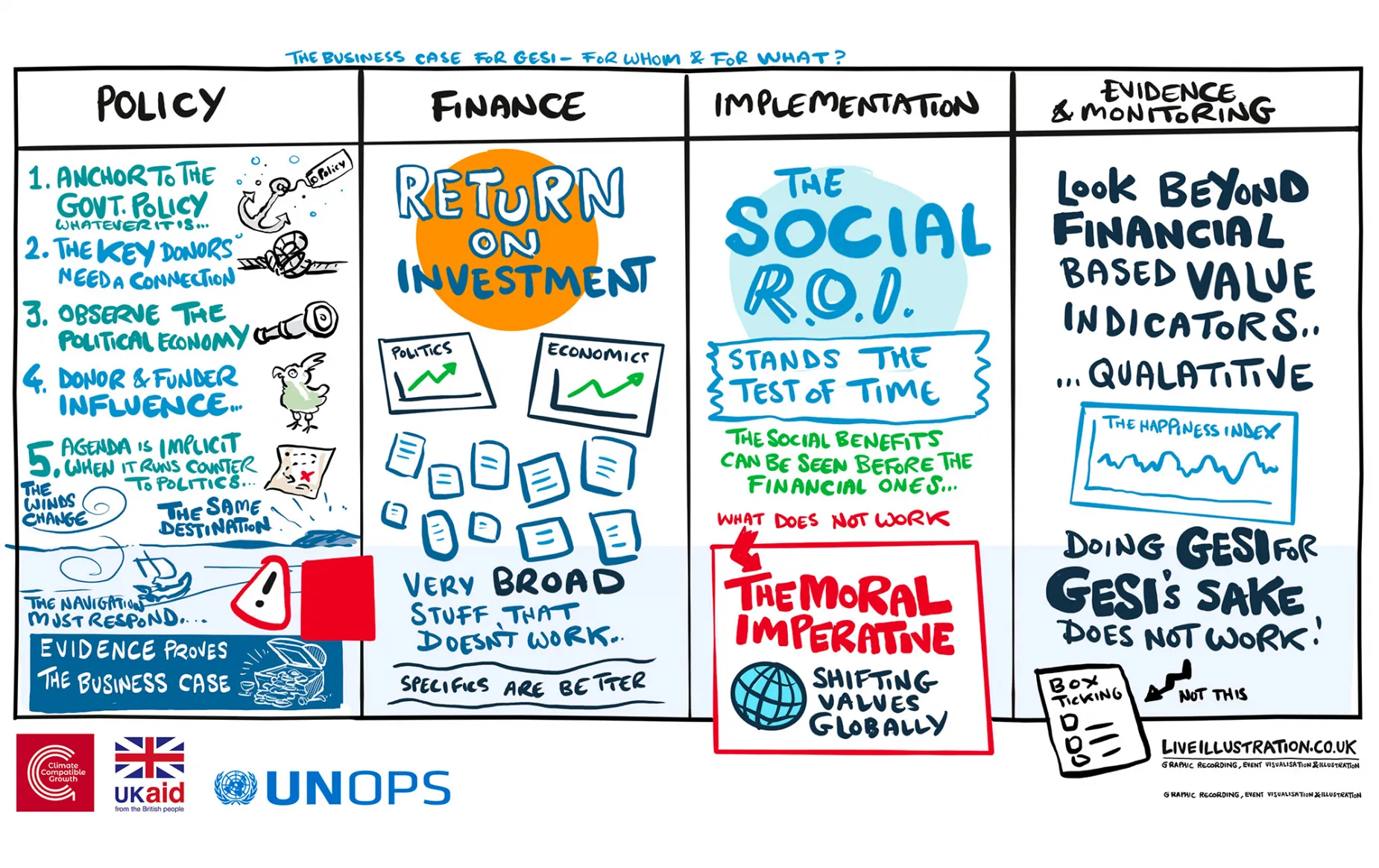
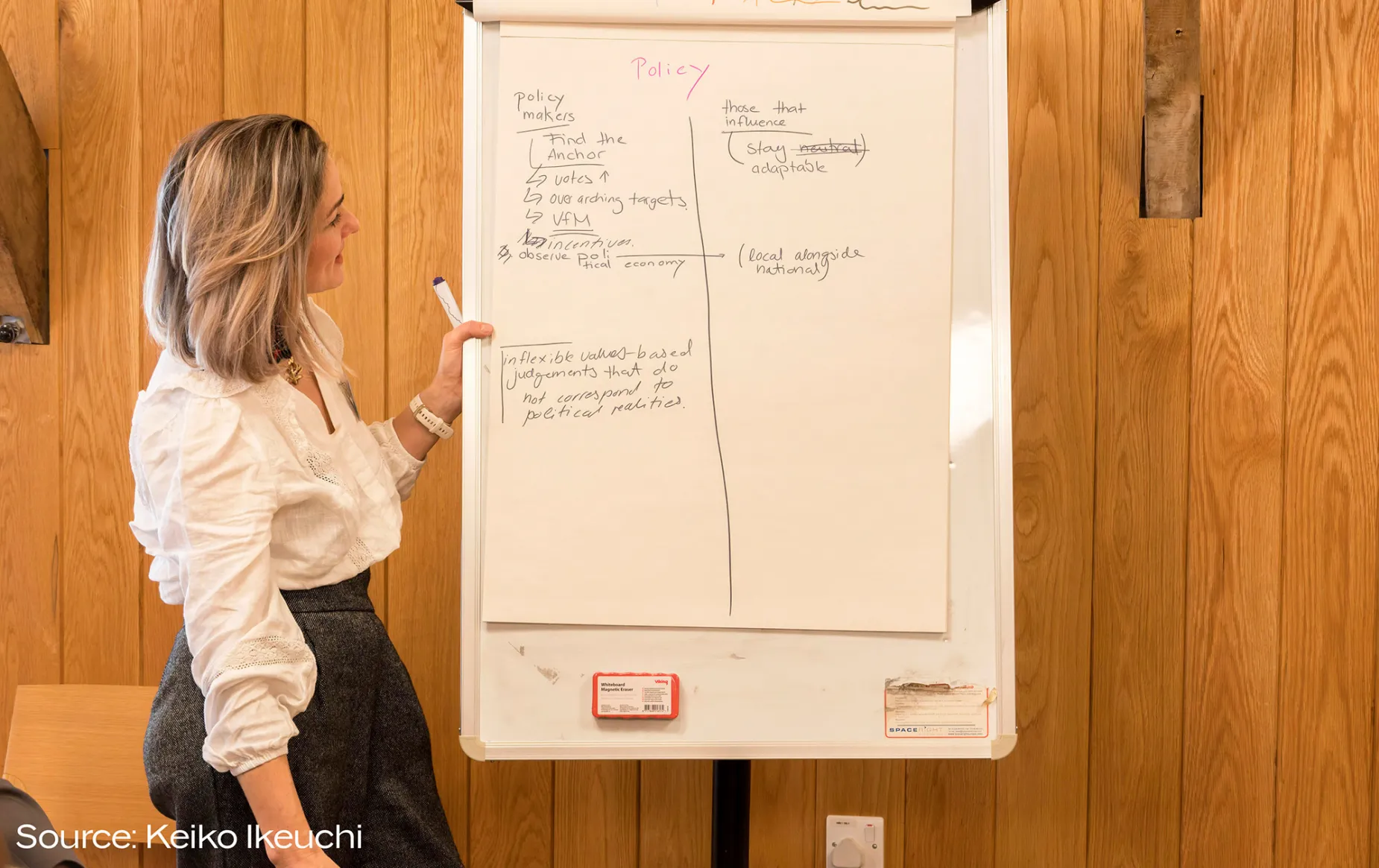
‘What became apparent during the discussions was both the importance and the complexity of tailoring the business case to specific audiences,’ Professor Hirmer explained. Participants emphasised that persuading actors such as political leaders depends on aligning arguments with their broader priorities, including public support and strategic vision. There was also a growing recognition that this cannot be done in isolation, and that greater coordination is needed to push back against a ‘new normal’ in which inclusion is more easily sidelined.
An opening panel discussion, held under Chatham House rule, brought together speakers from organisations including 2X, the African Development Bank, UNOPS and ENERGIA to reflect candidly on this ‘new normal’. Panellists emphasised that infrastructure decisions are never neutral, yet inclusive design is still too often treated as an add-on. Making inclusion durable, they argued, requires aligning it with how projects are financed, specified and delivered – rather than relying on values-based arguments alone.
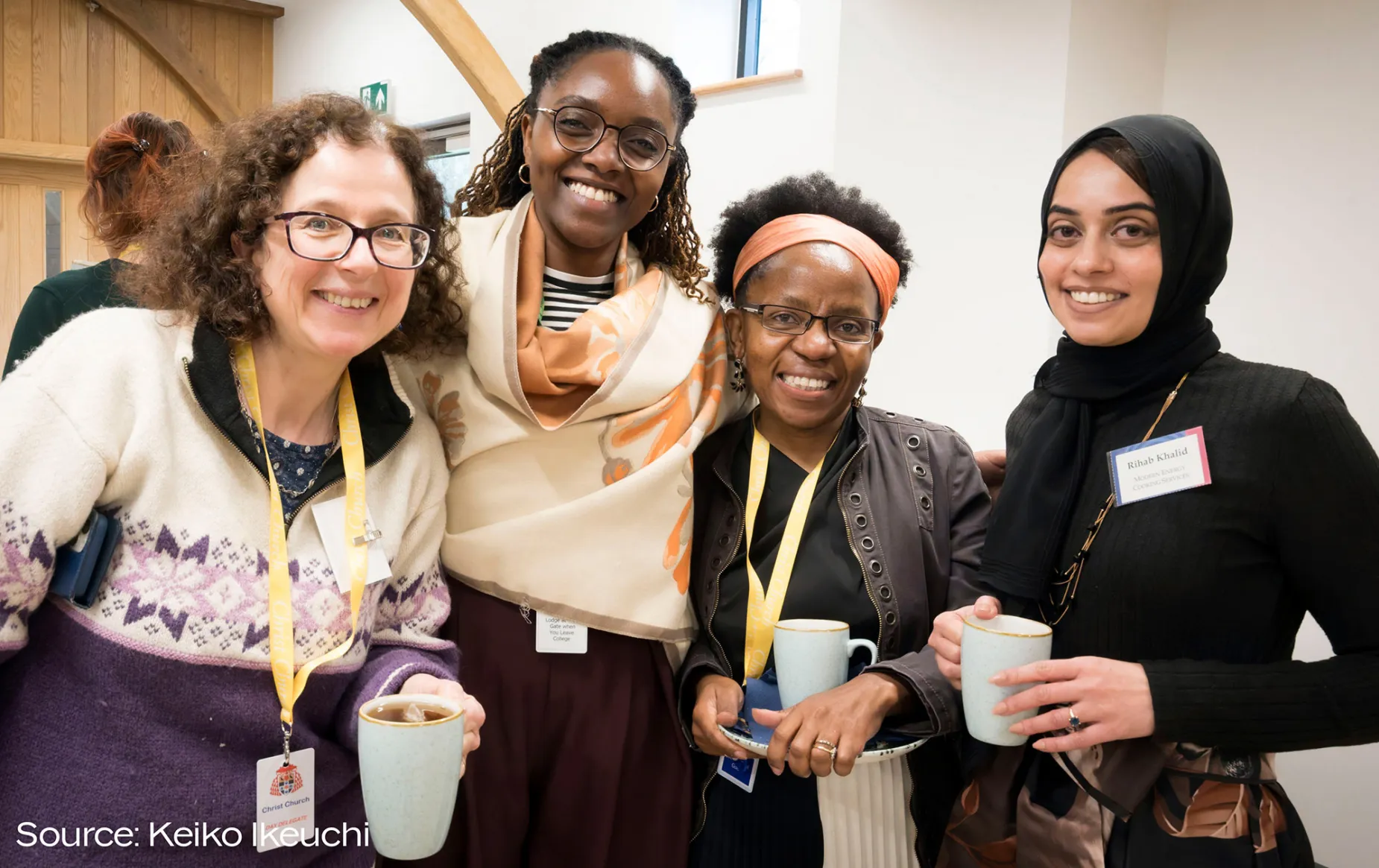
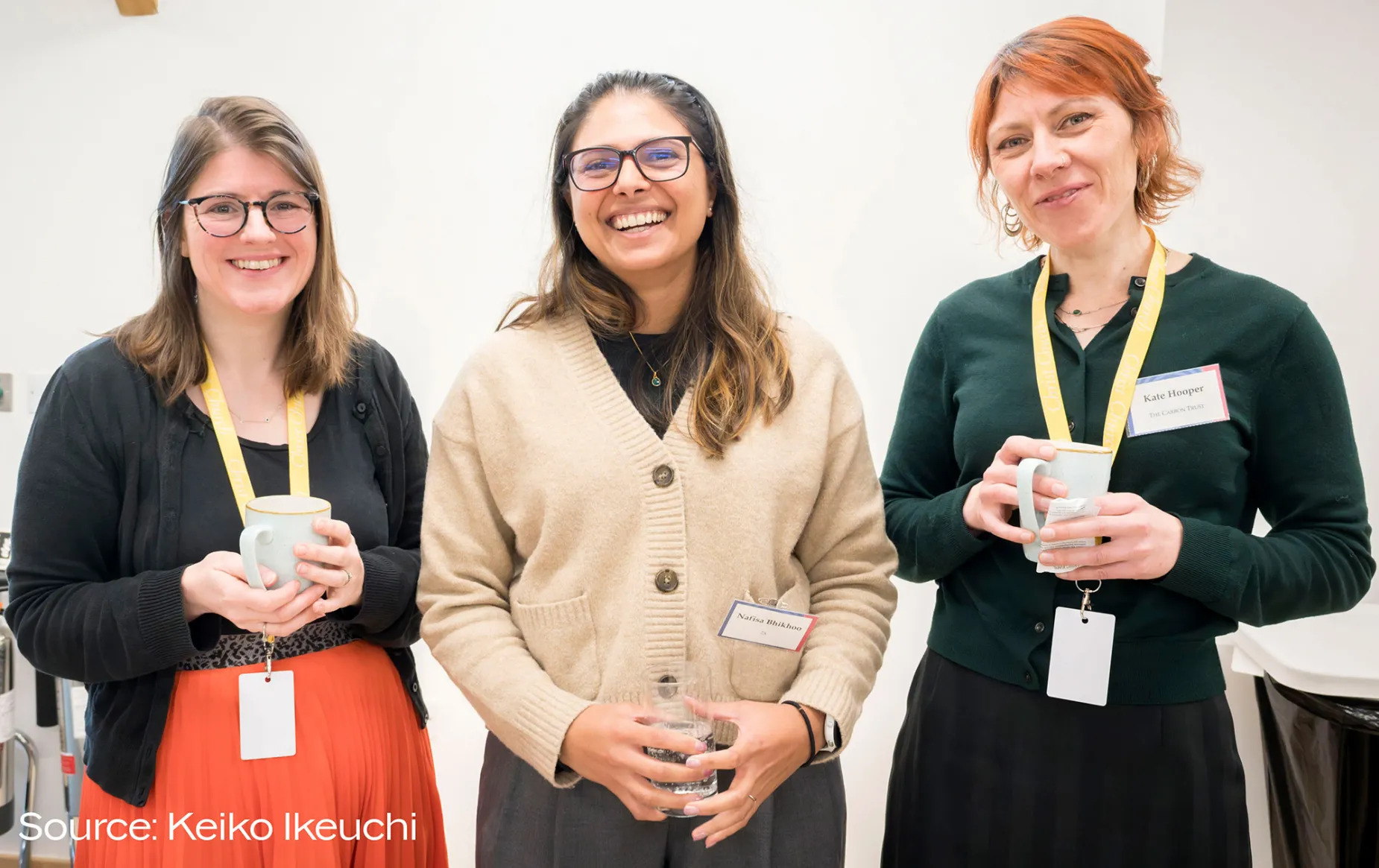
Subsequent sessions highlighted the business case for GESI in action. Case studies ranged from a women’s driver training programme in Mexico to clean energy entrepreneurship initiatives in Sierra Leone and a large-scale solar project in South Africa. These examples demonstrated that targeted interventions – such as training or design adjustments – can deliver broader social and economic benefits, while also underscoring the structural barriers that continue to limit participation.
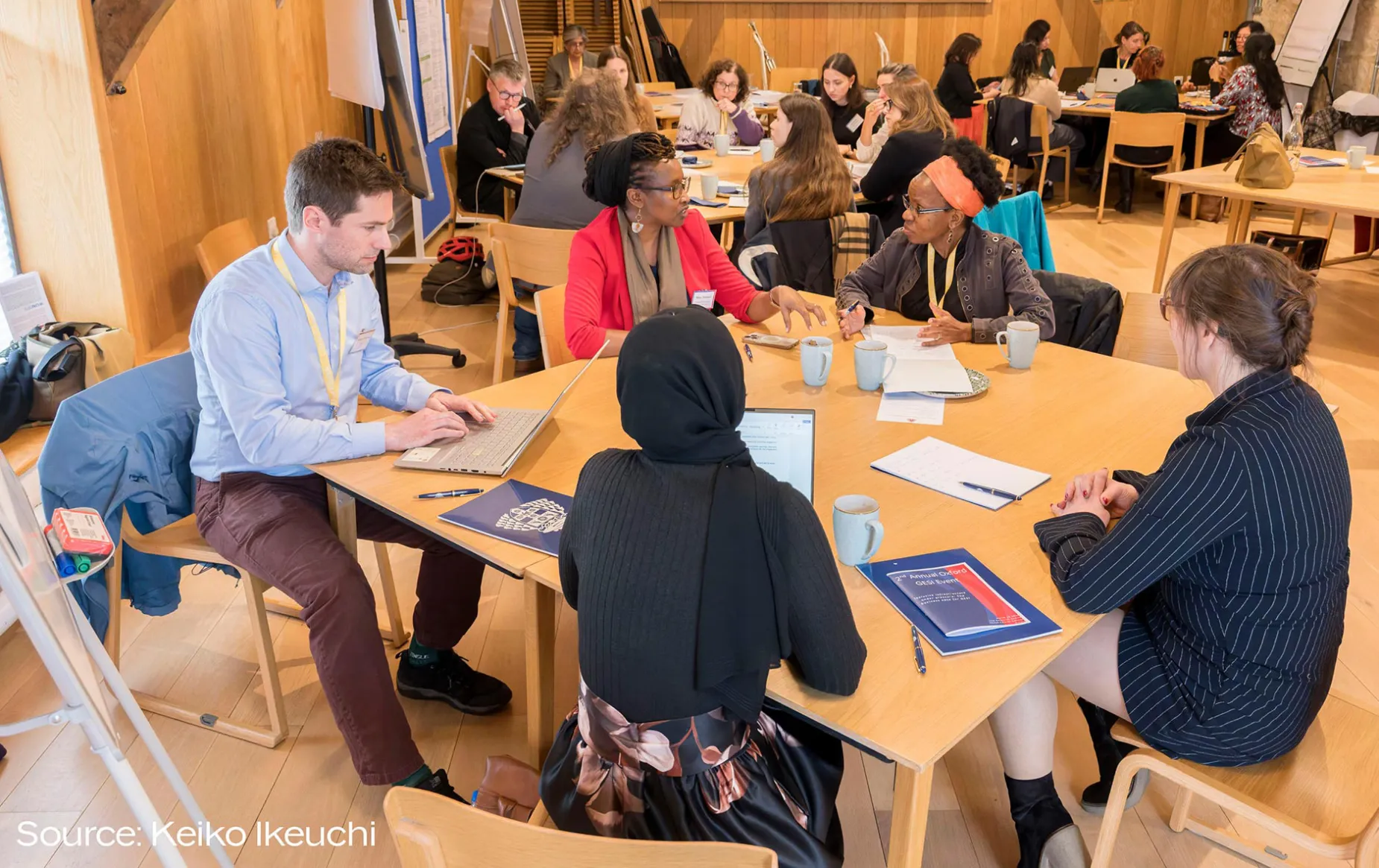
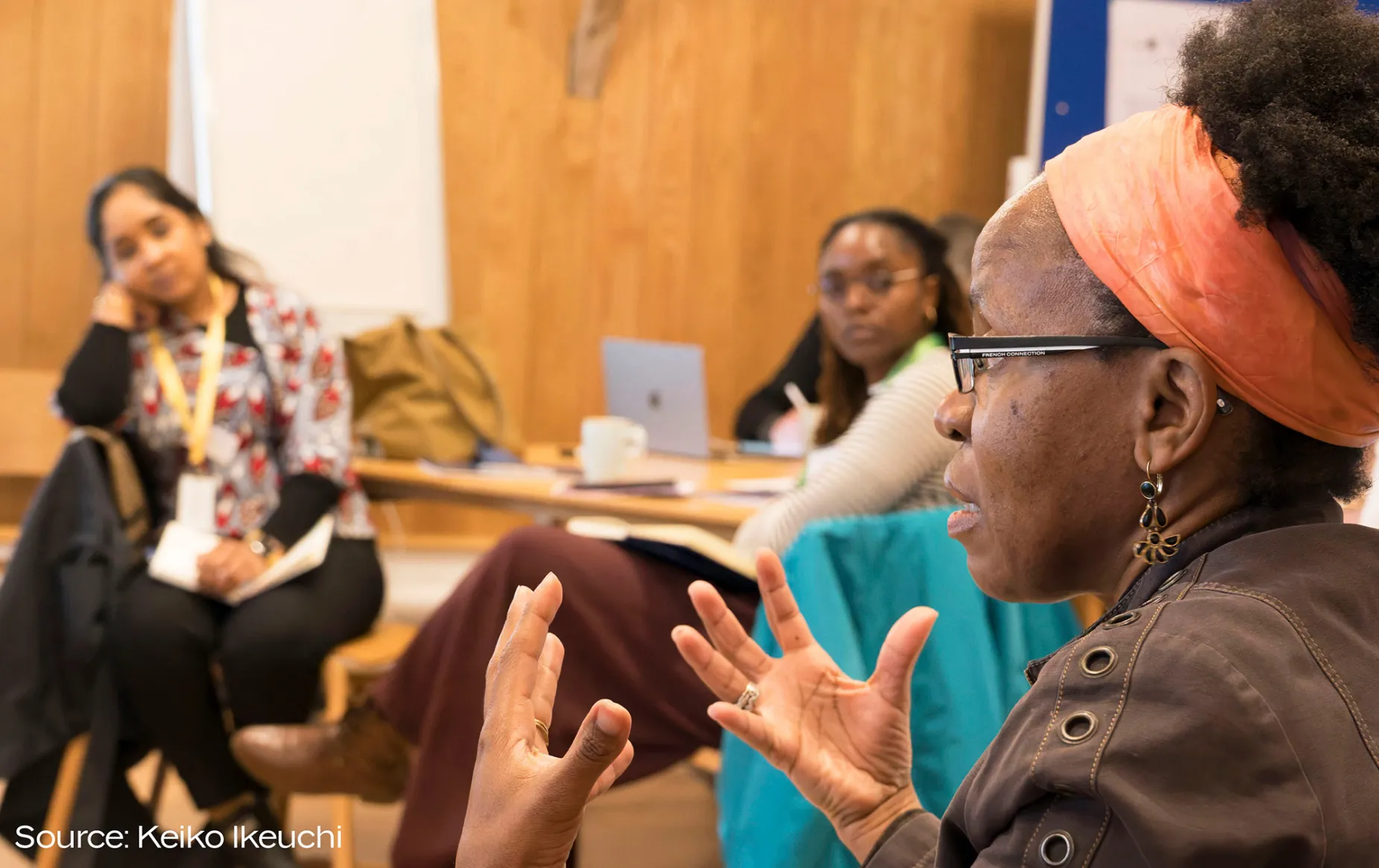
Interactive breakout sessions encouraged participants to interrogate how the ‘business case’ varies across audiences, from policymakers and investors to implementers and researchers. Discussions highlighted that effective arguments must be tailored to specific institutional incentives and decision-making processes, and that inclusion needs to be embedded throughout the project lifecycle, not only at the proposal stage.
The honesty, generosity, and seriousness of this group made the discussions feel both grounded and hopeful.
The honesty, generosity, and seriousness of this group made the discussions feel both grounded and hopeful.
The final session turned to future priorities, with participants identifying gaps in both evidence and implementation. While data remains a persistent challenge, there was a shared emphasis on the need for decision-relevant, accessible evidence that can be used across sectors. Concrete case studies and practical tools were seen as critical to translating research into action and sustaining momentum where formal mandates are limited.
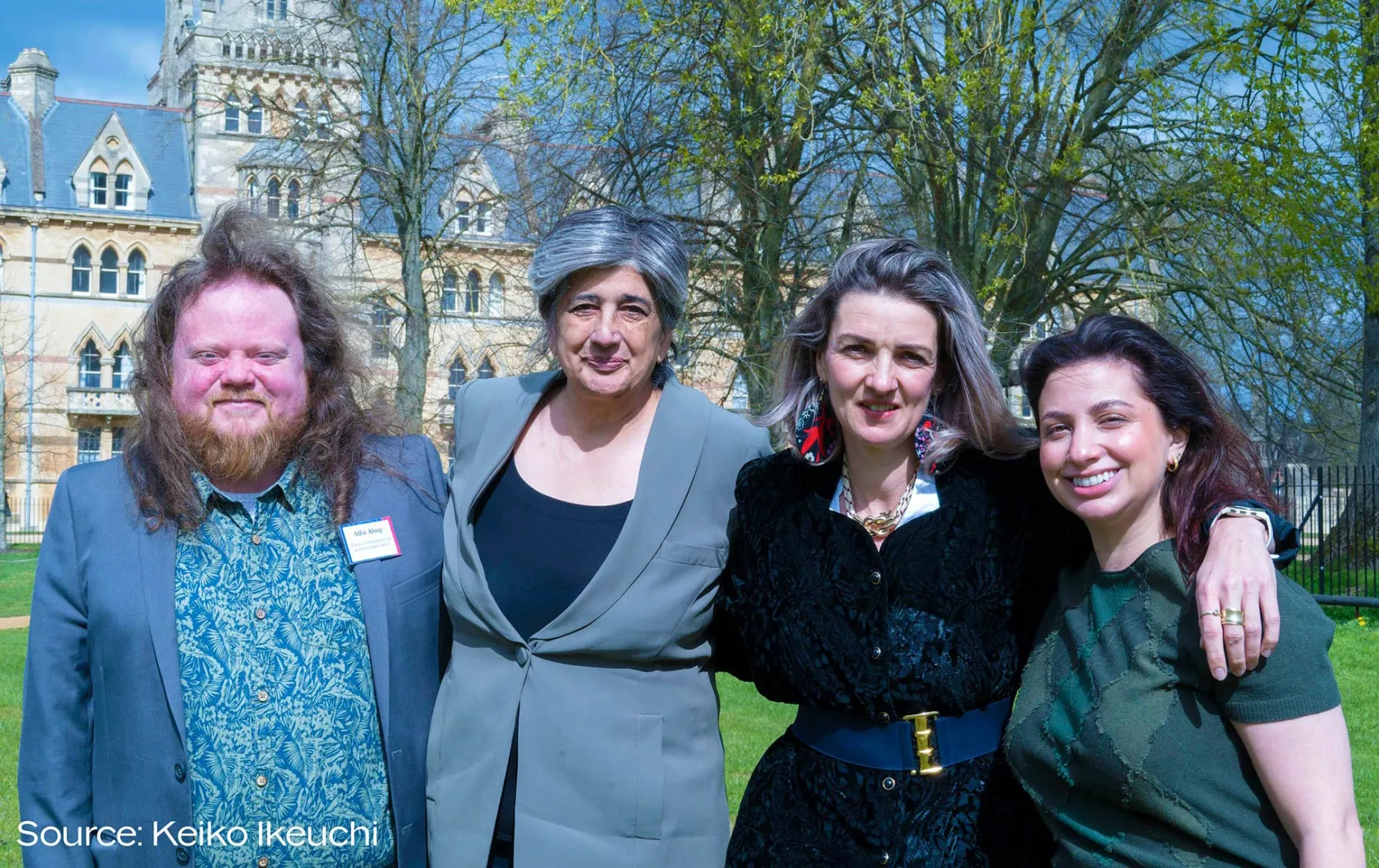
Reflecting on the day, Professor Hirmer said: ‘The day was a powerful reminder that GESI isn’t sustained by labels and tick-boxes, but by people who keep doing the work, especially when the context gets harder. The honesty, generosity, and seriousness of this group made the discussions feel both grounded and hopeful. We are excited for what comes next.’
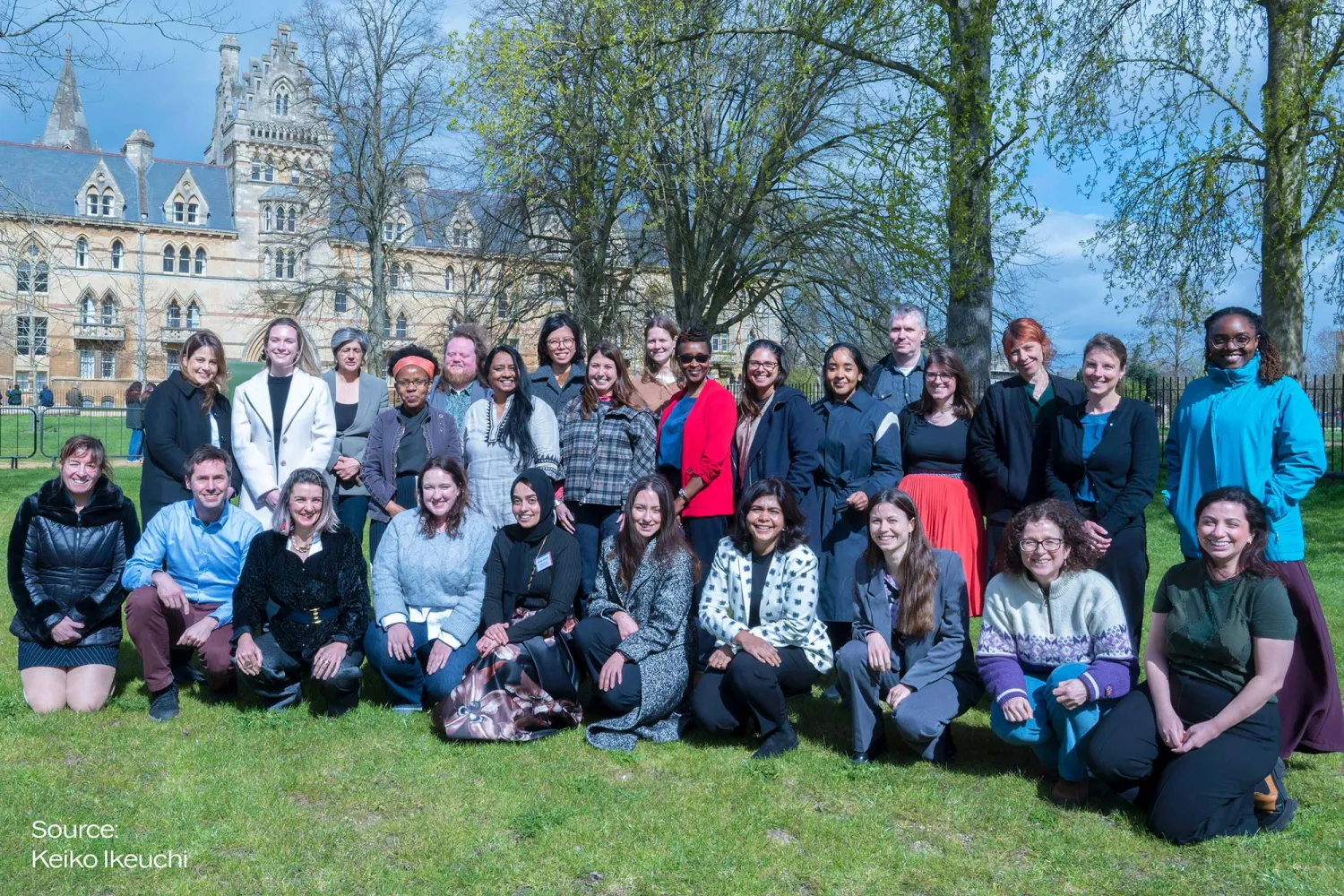
Professor Hirmer and Christ Church would like to extend their thanks to all who made this event possible: CCG GESI Unit, Julia Tomei, with support from Beatrice Stockport, Gerald Arhin, and Marissa Bergman; the project’s funding body, the Foreign, Commonwealth & Development Office (FCDO), for its support of GESI research, and especially Alfie Alsop and Lily Ryan-Collins; the GESI team’s new partners in the UNOPS’ Sustainable, Resilient, and Inclusive Infrastructure team, including Geoffrey Morgan and Seema Gaikwad; and the 27 participants for their candour, passion, and engagement.
Professor Stephanie Hirmer
Professor Hirmer is an Associate Professor in the Department of Engineering Science at the University of Oxford whose research focuses on the sustainable and just delivery of infrastructure services in low- and middle-income countries, particularly under climate risk. She currently serves as Research Chair and Oxford’s Principal Investigator for the Climate Compatible Growth project. Learn more about her research via her Christ Church profile.