Remembering Malcolm McCulloch
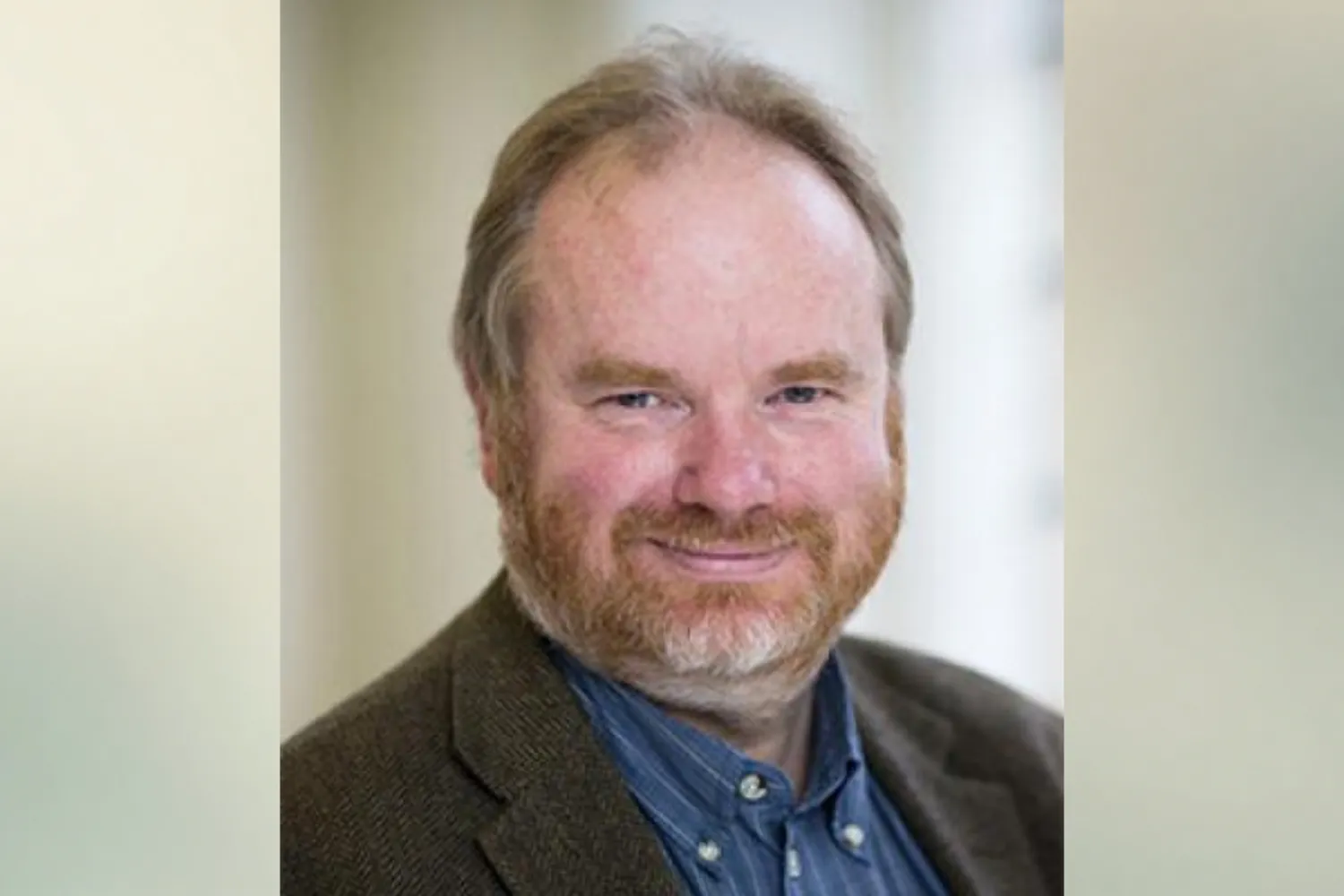
Christ Church is deeply saddened to announce the death of Professor Malcolm McCulloch, Tutorial Fellow in Engineering and Professor of Energy Systems, who died on Friday 12 June following a diagnosis of cancer last autumn.
Professor McCulloch was a pioneering engineer, entrepreneur, teacher and advocate for sustainable energy. For more than three decades he played a leading role in shaping research and teaching in energy systems at Oxford, while inspiring generations of students and colleagues through his vision, intellectual generosity, and commitment to tackling some of the world’s most pressing challenges.
Born and educated in South Africa, Malcolm studied at the University of the Witwatersrand, where he graduated with a BSc in Engineering with distinction in 1986 and completed a PhD in 1991. His doctoral research focused on the development of a simulation environment for variable-speed drives. Following periods as an Assistant Engineer with ESKOM, South Africa’s national power utility, and as a lecturer in Electrical Engineering at the University of the Witwatersrand, he came to Oxford in 1993 to establish what became the Electrical Power Group.
Throughout his career, Malcolm was driven by a determination to find practical solutions to climate change and social inequality. His research focused on making sustainable energy accessible in the developing world and on integrating renewable power generation into existing electricity networks. His work combined academic excellence with real-world impact: he published more than 140 papers, held over 25 patents, and founded four commercial and two not-for-profit spin-out organisations.
As a teacher, Malcolm was inspirational and deeply committed to his students. He devoted considerable energy to supporting the next generation of researchers, engineers, and innovators, encouraging all those he worked with to achieve their full potential regardless of background or circumstance. Many former students have spoken of the lasting influence he had on their careers and lives.
Within Christ Church, Malcolm was an active and valued member of the community. Alongside his teaching and research responsibilities, he contributed to a wide range of College initiatives, particularly those relating to sustainability and the responsible stewardship of property. As Chair of the Challenge Group, he brought intellectual rigour, scientific expertise, enthusiasm, and encouragement to discussions about the future of the House.
The Very Revd Professor Sarah Foot, Dean of Christ Church, said: ‘Malcolm has been at Christ Church for such a long time it is very hard to imagine the College without him. He was one of those people who dominated every room that he was in; his larger-than-life personality made him a wonderful and convivial colleague with whom to lunch or to dine, and he showed great loyalty and sensitivity to those to whom he was close within the wider college community.
‘In meetings, Malcolm had a reputation for getting to the heart of things and for challenging decisions with which he could not agree. I valued him enormously for his determination to speak out for what is right and for his honesty and directness.’
Malcolm’s colleagues remember not only his exceptional achievements but also his kindness, warmth, and generosity. He will be greatly missed by his many friends at Christ Church, across the University, and throughout the international energy research community.
As the Christ Church community remembers Malcolm, our thoughts are with his widow, Mel, and with his sons, Jim and John, of whom he was immensely proud.
Other Christ Church news