Christ Church hosts international conference on medicine quality
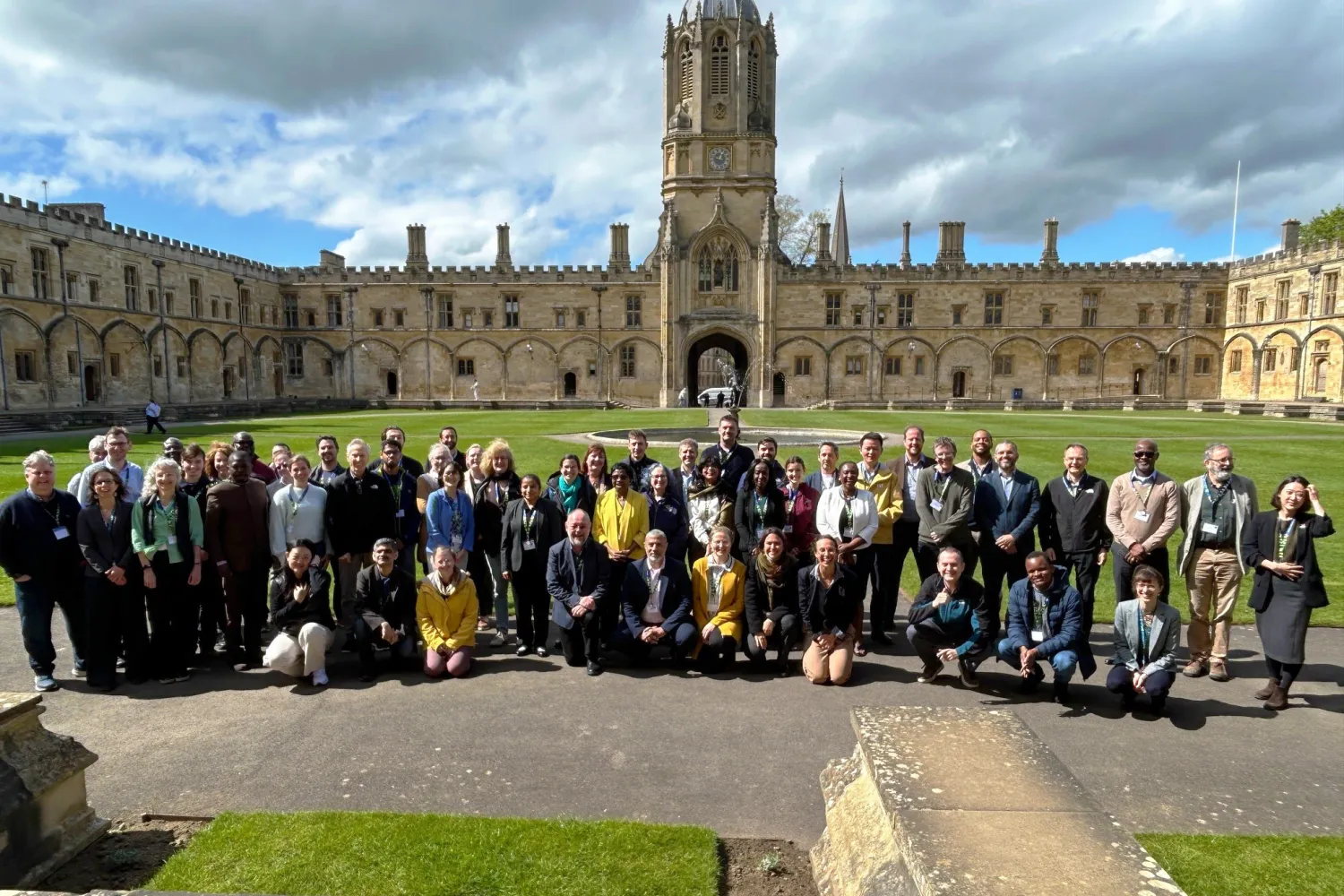
Christ Church recently hosted an unusual kind of conversation – one in which anthropologists described to physicists how falsified medicines move through ‘borders’ that often exist more on paper than in reality, while physicists demonstrated how to detect fake drugs without ever opening the bottle. For regulators in the room, the challenge was how to turn such radically different perspectives into practical tools for protecting patients.
That was the exchange at the heart of last month’s Medicine Quality, Innovation & Policy Conference in the Sir Michael Dummett Lecture Theatre. Rather than a conventional academic meeting, it brought together experts who rarely collaborate – from the fields of anthropology, physics, criminology, global health policy and pharmaceutical regulation – to confront a problem that crosses disciplines and borders.
Substandard and falsified medicines are a growing global threat, affecting patient outcomes, fuelling antimicrobial resistance and undermining trust in healthcare systems. Addressing them requires not only scientific advances, but coordinated action across sectors and regions.
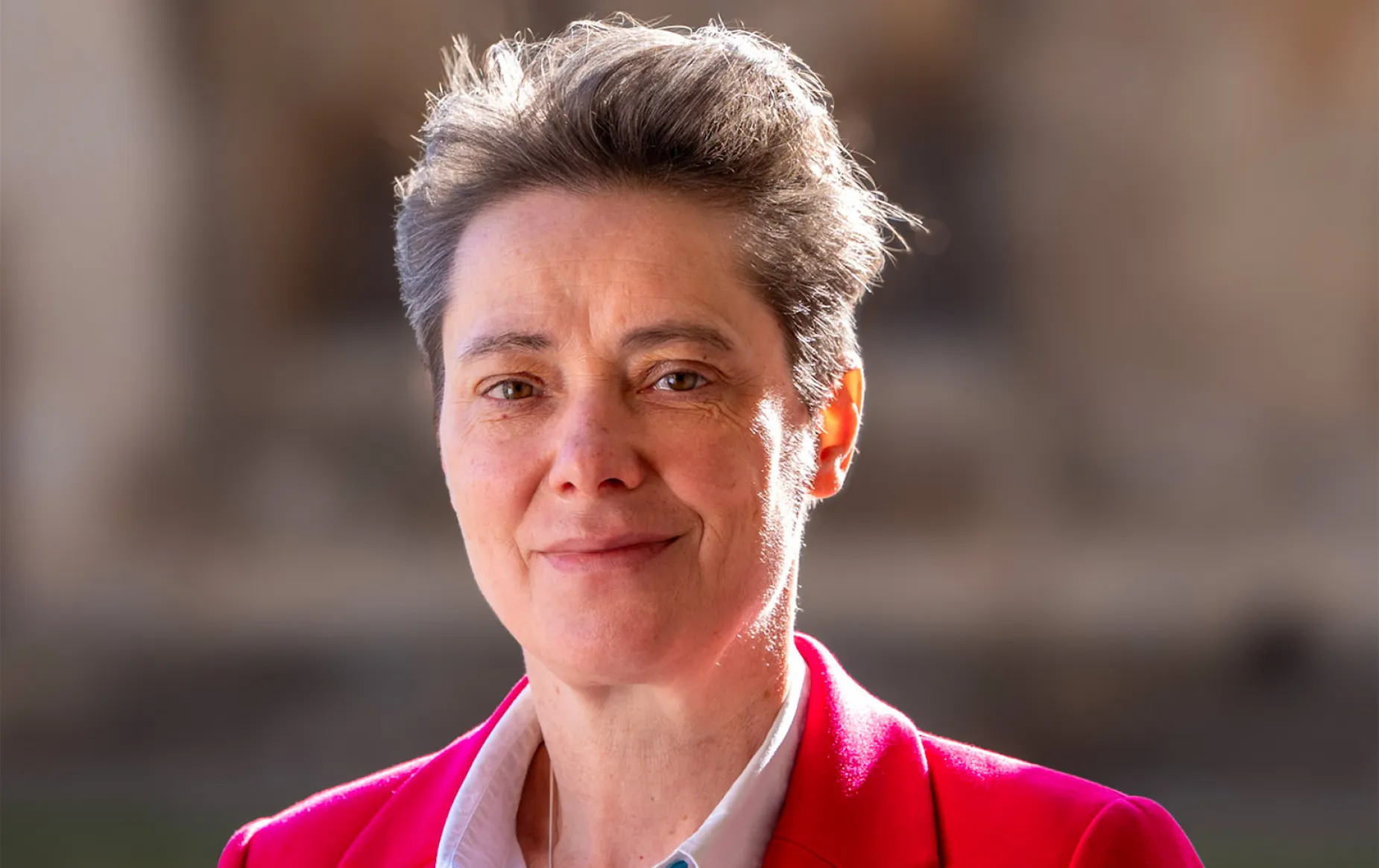
Led by Professor Paul Newton and Dr Céline Caillet (University of Oxford) and hosted by Professor Mike English, Senior Associate Research Fellow at Christ Church and Professor of International Child Health at the University of Oxford, the conference convened academics, policymakers and practitioners from around the world. Participants included representatives from organisations such as the World Health Organization, Interpol, UNICEF and the UN Office on Drugs & Crime, alongside the Director of the African Medicines Agency and senior figures from the pharmaceutical sector.
It was a rare treat to have anthropologists explaining to physicists how the market in falsified medicines works in practice.
It was a rare treat to have anthropologists explaining to physicists how the market in falsified medicines works in practice.
Discussions focused on new evidence and innovative approaches to tackling poor-quality medicines. Participants spoke about means of identifying the sources and trade routes of falsified medicines and vaccines, assessing the impact of substandard antimicrobials on patient outcomes and antimicrobial resistance, advancing screening technologies within supply chains, and developing systems to evaluate the performance of these technologies.
Professor Mike English said: ‘It was a rare treat to have anthropologists explaining to physicists how the market in falsified medicines works in practice based on research conducted at land and sea borders where the notion of national boundaries is largely imaginary. In the same meeting the physicists explained how modern techniques can detect falsified pharmaceutical products without ever opening the bottle to anthropologists and other audience members, and regulators considered how best to use information from such diverse sources in their work to expand access to medicines while making sure what people receive is safe and effective.’
By bringing together expertise from high- and lower-income countries, the conference highlighted the importance of interdisciplinary and international collaboration in addressing a complex global health challenge.
Mike English is Professor of International Child Health at the Nuffield Department of Medicine and a Senior Associate Research Fellow at Christ Church. To learn more about his research, view his profile on the Christ Church site and his Nuffield Department of Medicine page.
Other Christ Church news