Dr Yu Mo leads global study on rising cyclone risks to mangroves
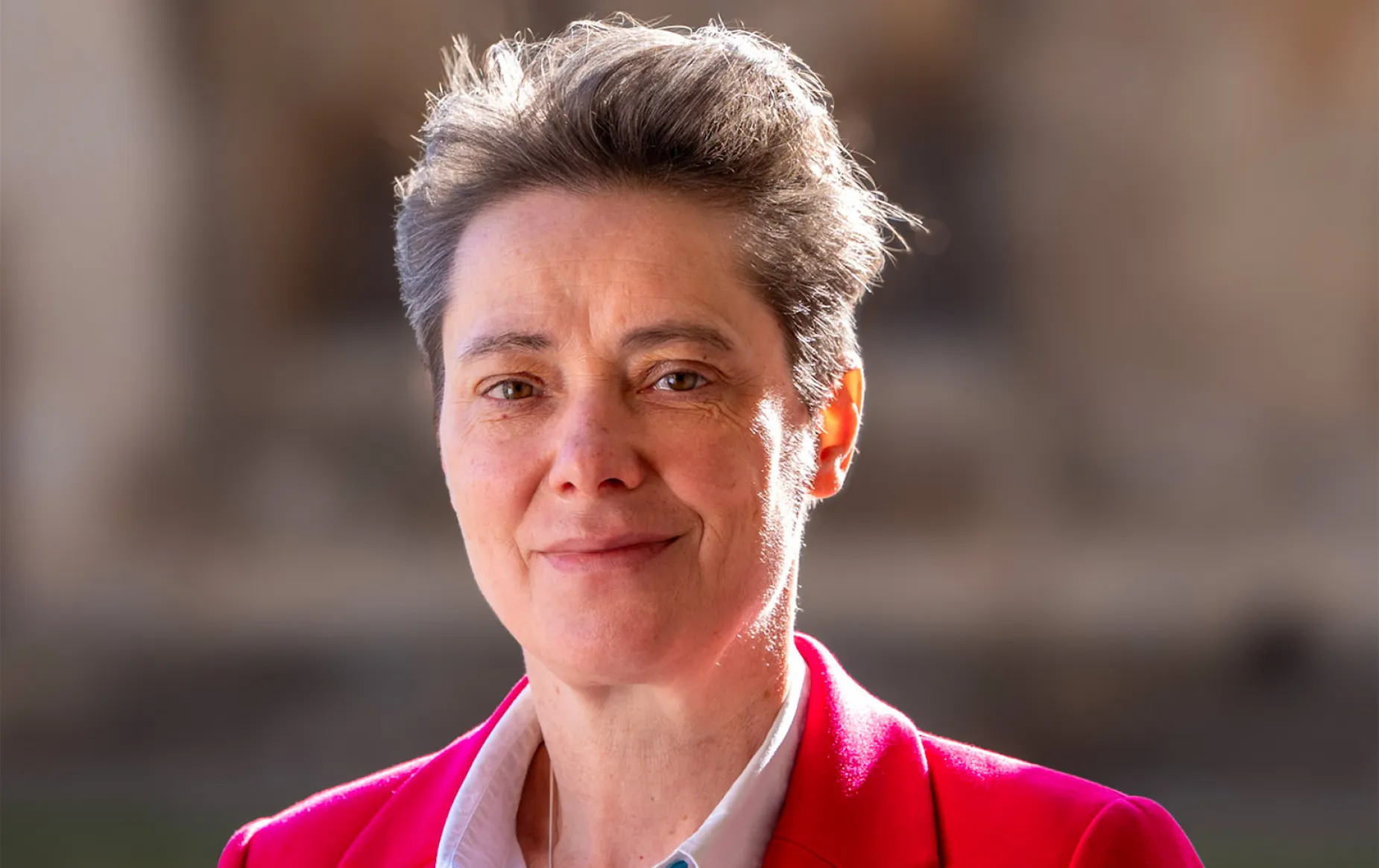
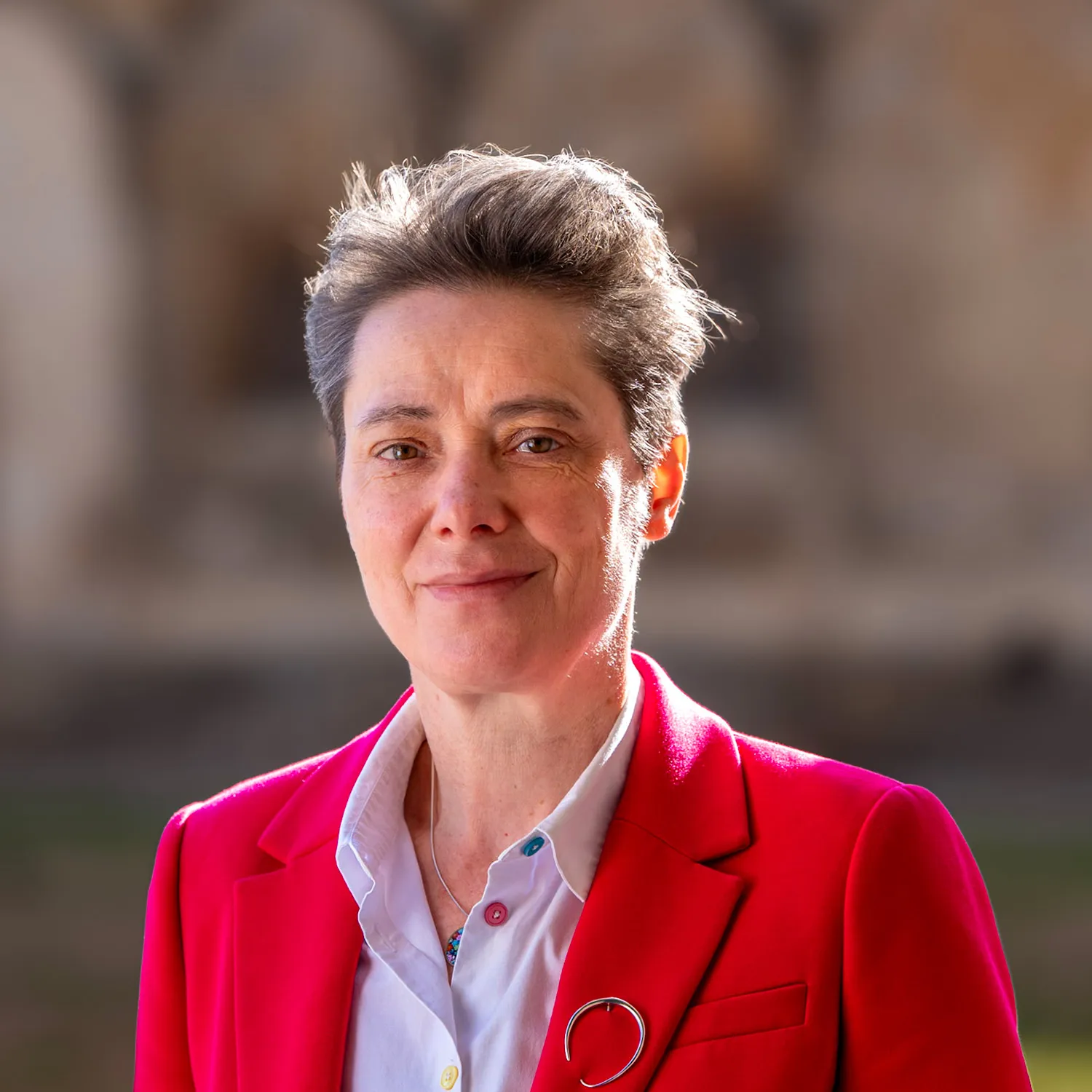
Dr Yu Mo, House Career Development Fellow at Christ Church and Research Fellow at the University of Oxford’s Environmental Change Institute (ECI), has led a new international study revealing how changes in tropical cyclone behaviour are reshaping risks to mangrove ecosystems worldwide. The research has been published in the leading journal Science Advances.
The study shows that the speed at which cyclones travel – not just their strength – plays a crucial role in determining how mangroves are damaged. By combining more than 20 years of global cyclone records with high-resolution satellite data, Dr Mo and her collaborators identified fundamentally different damage pathways caused by fast- and slow-moving storms.
Fast-moving cyclones tend to cause severe physical destruction, including tree loss, erosion and shoreline retreat, while slow-moving cyclones are associated with prolonged flooding and stress caused by changes in salinity and oxygen levels. Together, these processes help explain why mangrove damage varies so widely across regions.

The research, which has been highlighted in Carbon Brief, also reveals that global exposure of mangrove ecosystems to cyclones has increased by 13% over recent decades, with major regional shifts in risk. East Asia has seen a sharp rise in exposure to fast-moving strong cyclones, while the Caribbean faces growing risks from slow-moving storms that cause prolonged flooding.
Healthy coastal ecosystems play a critical role in building resilient coastlines.
Healthy coastal ecosystems play a critical role in building resilient coastlines.
Dr Mo worked with scientists from Trinity College Dublin, the University of Maryland, NASA and the University of Oxford, including Professor Jim Hall of Oxford’s ECI. The team’s findings provide new tools to support coastal risk assessment and climate-resilient management of mangrove ecosystems.
Commenting on her research, Dr Mo said: ‘Deepening our understanding of mangrove stability as storm patterns shift is vital. This knowledge underpins effective, climate-resilient coastal management at a time when the impacts of climate change are accelerating.’
Dr Yu Mo is a Career Development Fellow at Christ Church and Research Fellow at the University of Oxford’s Environmental Change Institute (ECI) whose work focuses on the role of coastal ecosystems as nature-based solutions for climate risk adaptation and mitigation. Learn more about her research on her Christ Church profile.
Other Christ Church news