Stephen Smartt and colleagues win award for pioneering astrophysics collaboration
An international collaboration involving Christ Church’s Professor Stephen Smartt has been recognised with an Into Change Award by the Danish Ministry of Higher Education and Science. The awards celebrate outstanding European research groups whose work drives scientific breakthroughs, benefits society, and reflects core values such as curiosity, collaboration and openness.
The award, which carries a value of £1 million, recognises the achievements of the ENGRAVE (Electromagnetic counterparts of gravitational wave sources at the Very Large Telescope) collaboration in tracing the origins of the universe’s heaviest elements, forged in the aftermath of supernova explosions. In doing so, the team has helped illuminate the very building blocks of our existence.
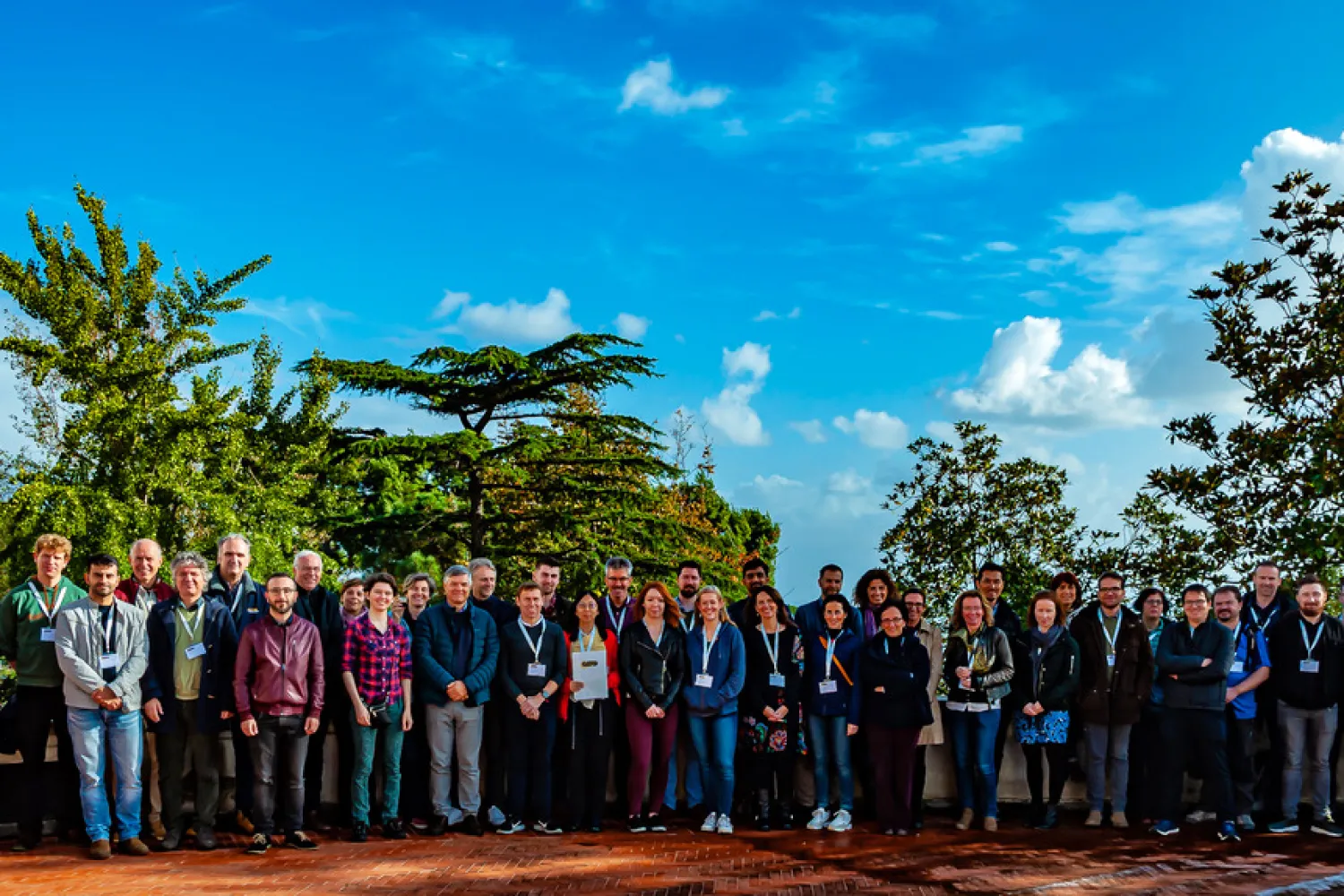
ENGRAVE brings together astronomers, physicists and cosmologists in the search for the universe’s most extreme events – collisions between neutron stars. In 2017, an international network of researchers and observatories across 13 European countries made a historic breakthrough, demonstrating that heavy elements such as gold, platinum and uranium are created during the merger of two neutron stars. These rare cosmic events were therefore the original factories of the heavy elements that make up around two-thirds of the periodic table, including the precious metals, rare earths and the fundamental elements that form our planet and our bodies.
This is a new era of multi-messenger astronomy, where gravitational waves and light together help us to answer fundamental questions about our universe and who we are.
This is a new era of multi-messenger astronomy, where gravitational waves and light together help us to answer fundamental questions about our universe and who we are.
Professor Smartt was a founding member of ENGRAVE and served as the first Chair of its Governing Council. A central aim of the collaboration is to understand how cosmic explosions create heavy elements through the so-called r-process – a rapid neutron-capture mechanism triggered when a star collapses in a supernova. To advance this work, ENGRAVE has drawn on data from the Hubble Space Telescope, the James Webb Space Telescope and radio observatories such as ALMA.
The collaboration was conceived in recognition of the new scientific era made possible by combining gravitational-wave detections with electromagnetic observations. In early 2018, key European teams in this field united under the ENGRAVE banner to coordinate and manage the European Southern Observatory’s Very Large Telescope in response to discoveries from the LIGO–Virgo–KAGRA gravitational wave interferometers. The result is a truly pan-European scientific enterprise characterised by close cooperation and rapid, coordinated action.
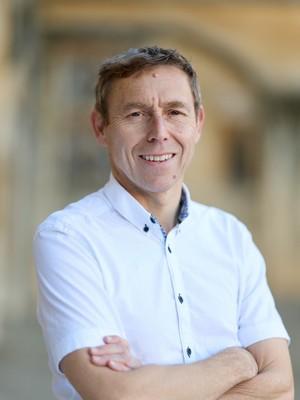
Professor Smartt is one of six leaders of this new field of multi-messenger astronomy to be recognised with the award. He said: ‘It is fantastic to receive this award. I am very proud of the European community coming together in 2018 to combine their talents and deciding to work together on these rare sources – rather than compete for telescope time. It has been wonderful to see the younger scientists in the team enthusiastically work together, constantly sharing ideas and responding to new data in real time. There is real energy and insight from the team whenever we respond to a gravitational wave alert.’
‘This is a new era of multi-messenger astronomy, where gravitational waves and light together help us to answer fundamental questions about our universe and who we are; through ENGRAVE, we have demonstrated what we can achieve with European collaboration.’
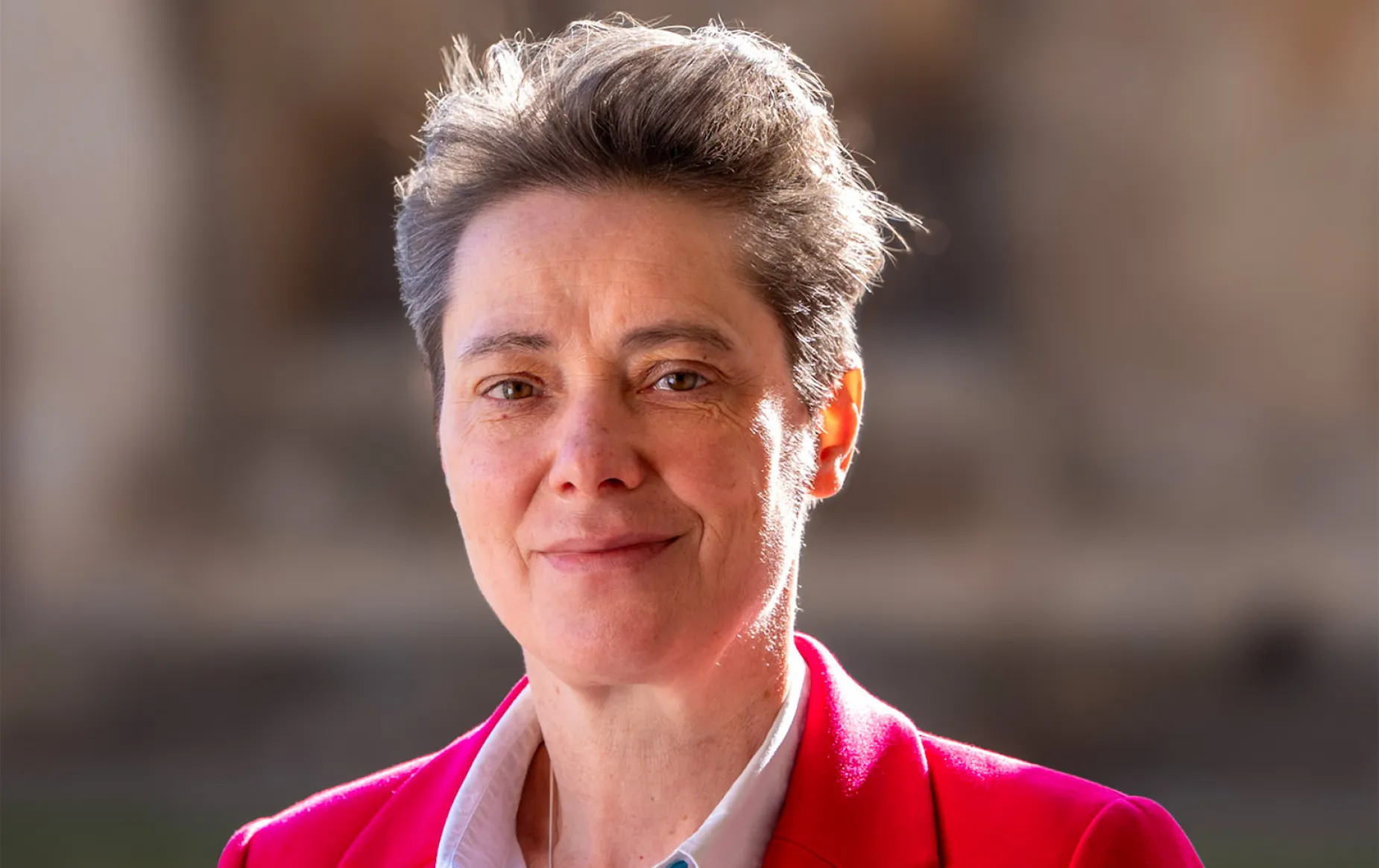
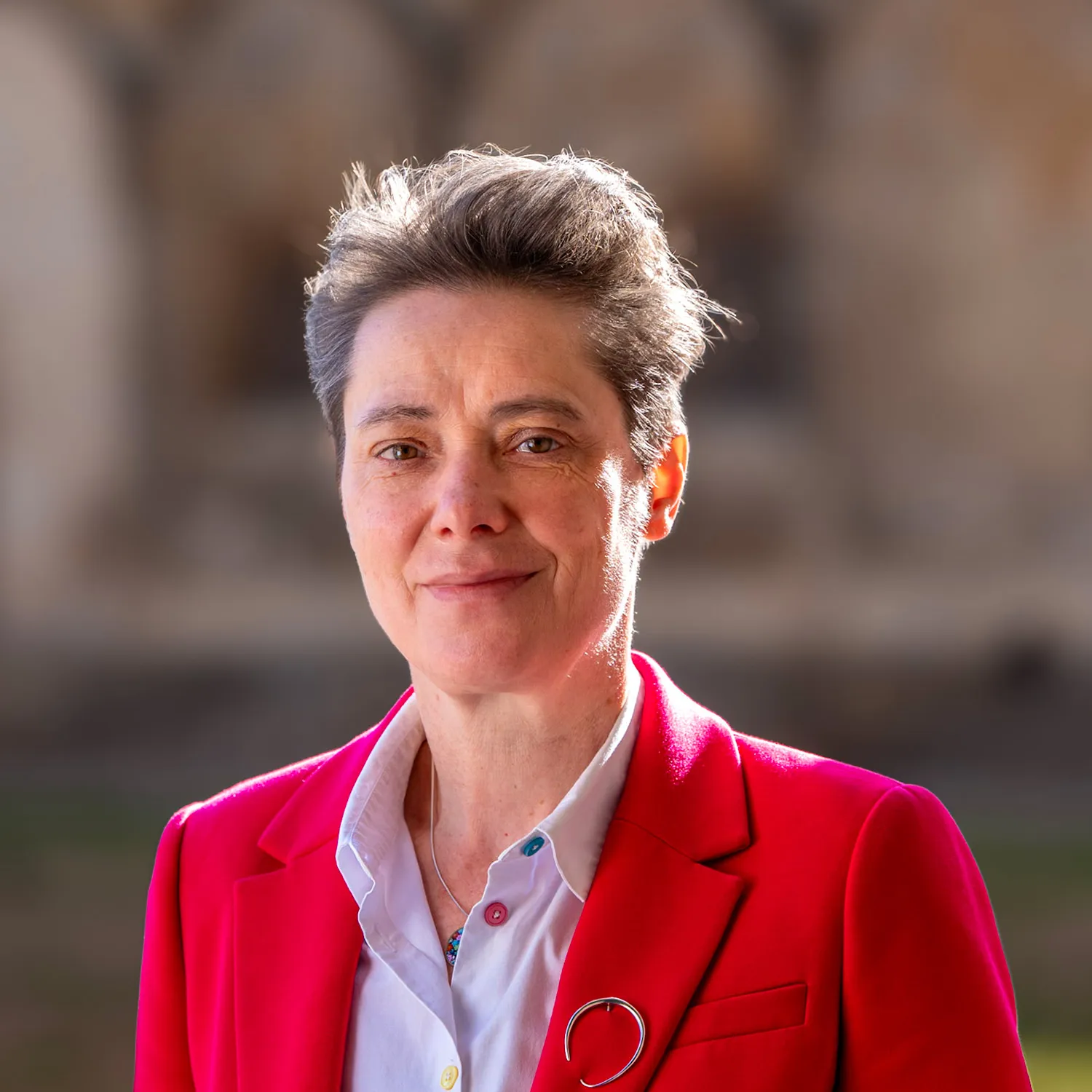
Professor Stephen Smartt CBE FRS MRIA is Wetton Professor of Astrophysics at the University of Oxford. Learn more about him and his research on his Christ Church profile.
Other Christ Church news